
How Choosing the Right Energy Tariff Can Lower Your Heating Costs
Installing an air source heat pump is a great way to improve your home’s energy efficiency. However, what’s often overlooked is how much your electricity tariff can influence the overall running costs.
With a growing number of UK energy providers offering tariffs tailored specifically for heat pump users, households now have more opportunities to cut costs by using electricity when it’s cheaper.
At HEART, we always advise homeowners to look at their energy tariff alongside their heating system. Getting this combination right can significantly boost both performance and savings.
What Is a Heat Pump Tariff?
Heat pump tariffs are electricity plans designed to support homes using low-carbon heating systems like air source heat pumps.
Unlike standard tariffs that charge a flat rate throughout the day, these use time-of-use pricing. This means electricity is cheaper during certain periods, typically when demand on the grid is lower or when renewable energy supply is higher.
Lower-cost periods often include:
- Overnight hours
- Midday, when renewable generation is high
- Late evening
Because heat pumps are most effective when running steadily over longer periods, they are particularly well-suited to these types of tariffs.
Why are Heat Pumps so Efficient?
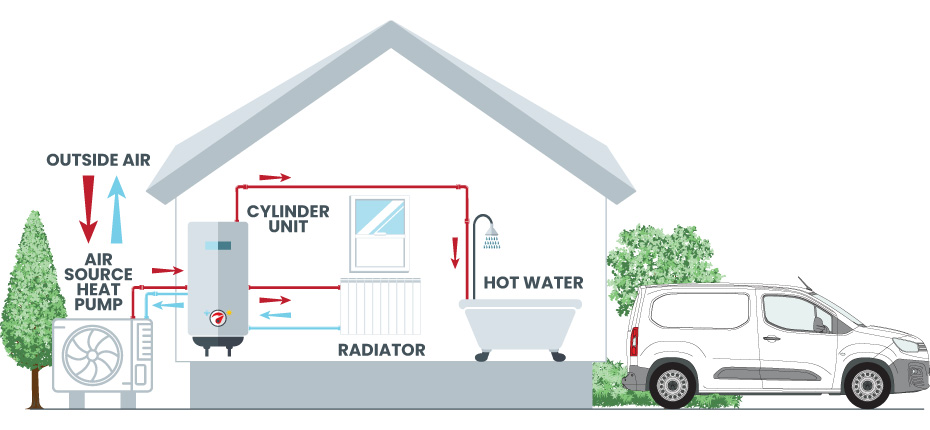
Air source heat pumps operate very differently from traditional boilers. Instead of generating heat by burning fuel, they extract warmth from the outside air and transfer it indoors.
A simple way to think of it is as the reverse of a fridge. While a fridge removes heat from inside and releases it into the room, a heat pump pulls heat from the outside air, compresses it to raise the temperature, and delivers it into your home.
This method is highly efficient. For every unit of electricity used, a heat pump can produce around three to four units of heat, making them approximately 300–400% efficient.
Most energy use occurs during the colder winter months, such as December through February. Even then, heat pumps remain far more efficient than conventional heating systems.
How the Right Heat Pump Tariff Reduces Costs
Pairing an efficient heat pump with a smart electricity tariff can make a noticeable difference to your energy bills.
For example:
- A typical standard tariff may cost around 27p per kWh
- Time-of-use tariffs can offer significantly lower rates during off-peak hours
Because heat pumps heat homes gradually and maintain consistent temperatures, they can take advantage of these cheaper periods to operate more cost-effectively.
Depending on the size of your home and heating needs, this approach can save hundreds of pounds each year.
Octopus Energy and Heat Pump Tariffs
Some UK energy suppliers are leading the way in developing tariffs specifically for heat pump users, with Octopus Energy being one of the most notable.
Cosy Octopus Tariff
The Cosy tariff has been designed with heat pump households in mind. It provides three lower-cost electricity windows each day, typically during:
- Early morning
- Early afternoon
- Late evening
These cheaper periods allow homeowners to run their heating systems when electricity costs less.
Many households use these windows to:
- Heat their hot water cylinder
- Increase heating slightly during low-cost periods
- Run their system more intensively at a lower price
Since heat pumps maintain warmth gradually, the heat generated during these times can carry through the rest of the day.
Other Tariffs for Heat Pump Homes
As more homes transition to low-carbon heating, other suppliers are also introducing similar tariff options.
Examples include:
- EDF Energy – Heat Pump Tracker
- British Gas – dedicated heat pump tariffs
- E.ON Next – NextPumped
- Scottish Power – EV and heat pump tariffs
While each tariff works slightly differently, the principle remains the same: offering cheaper electricity at certain times to support efficient, low-carbon technologies.
Combining Tariffs with the Boiler Upgrade Scheme
Many homeowners installing a heat pump may also qualify for support through the government’s Boiler Upgrade Scheme.
This scheme offers a £7,500 grant to help replace fossil fuel heating systems with low-carbon alternatives like air source heat pumps.
When you combine:
- The Boiler Upgrade Scheme grant
- The natural efficiency of a heat pump
- A suitable time-of-use tariff
You can reduce both upfront installation costs and ongoing energy bills.
Extra Savings with Octopus
If you choose to switch to Octopus Energy, there’s an additional incentive available.
By signing up through the Aura Retrofit referral link, new customers can receive £50 credit added to their account after joining.
It’s a simple way to start saving immediately while benefiting from a tariff designed for modern heating systems.
Why Choose HEART?
At HEART, we focus on delivering high-quality air source heat pump installations that maximise efficiency and comfort.
Our support goes beyond installation. We help homeowners understand:
- How their heat pump works
- The best ways to run it efficiently
- Which tariffs can help reduce energy costs
We aim to ensure your system is not only environmentally responsible but also cost-effective over the long term.
Conclusion
Heat pumps are already one of the most efficient ways to heat your home. But by pairing them with the right electricity tariff, you can unlock even greater savings.
With more tailored tariffs now available, homeowners can benefit from:
- Lower energy bills
- Smarter energy use
- Reduced carbon emissions
- Greater control over costs
When properly installed and matched with the right tariff, a heat pump becomes a smart, future-proof investment for your home.
And with expert support from HEART, you can be confident your system is set up for long-term efficiency, comfort, and value. Contact HEART today for more information.
*Information correct at time of publishing. E&OE.